
South Africa Immigration Reform
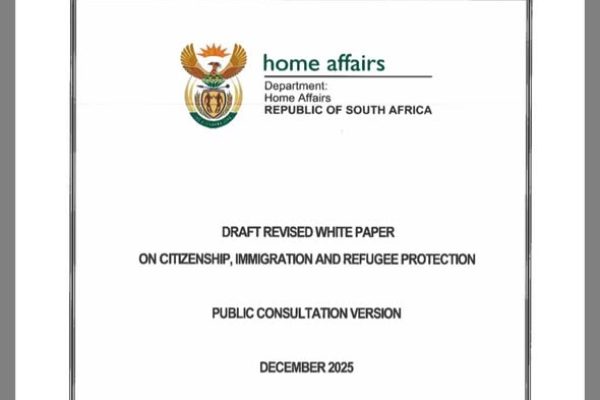
South Africa is entering a new era of immigration policy following the approval of its revised immigration white paper, which proposes major reforms to citizenship, refugee protection, visa systems, and immigration administration.
The reforms, expected to shape South Africa’s immigration system throughout 2026 and beyond, are aimed at creating a more efficient, secure, and digitally integrated migration framework.
For foreign nationals, employers, investors, and South African businesses, these proposed changes could significantly impact how visas, residency, and citizenship applications are handled.
Why South Africa Is Reforming Immigration
South Africa’s immigration system has long faced challenges including:
- visa processing delays
- paper-based administration
- documentation fraud
- inefficient refugee management
- outdated immigration pathways
The new reform agenda seeks to modernise these systems while strengthening national security, improving service delivery, and attracting skilled migrants and investment.
The revised white paper represents one of the most ambitious immigration policy changes in South Africa since the post-apartheid legislative reforms.
Key Changes Under South Africa Immigration Reform
Digital Immigration Transformation
A major pillar of the reforms is digitisation.
The Department of Home Affairs plans to introduce an Intelligent Population Register, which will integrate records relating to:
- South African citizens
- permanent residents
- foreign nationals
- visa holders
- asylum seekers
- refugees
The system is expected to use:
- biometrics
- artificial intelligence
- machine learning
- real-time verification systems
This digital transformation aims to reduce fraud, improve identity verification, and speed up immigration services.
A fully digitised system could also significantly reduce administrative backlogs that have historically affected visa and permit applicants.
Merit-Based Citizenship Pathway
South Africa is proposing a shift away from the traditional residency-based citizenship pathway.
Under the new framework, citizenship may increasingly be granted through a merit-based model.
Rather than relying solely on years of residence, applicants may be assessed on:
- qualifications
- skills and experience
- economic contribution
- social impact
- investment activity
This approach is designed to attract highly skilled individuals and long-term contributors to the South African economy.
Points-Based Immigration System
A proposed points-based immigration model is expected to become a central feature of the reforms.
Applicants may eventually be assessed using criteria such as:
- education level
- work experience
- scarce skills
- business investment
- age and earning potential
This would bring South Africa more in line with immigration systems used in countries such as Canada, Australia, and the United Kingdom.
The new framework may replace or supplement the current critical skills approach.
Visa Reform and New Categories
The reforms also support modern visa pathways, including:
- Remote Work Visa
- Start-Up Visa
- updated Investment Visa routes
- Trusted Employer Scheme
- Trusted Tour Operator Scheme
These measures are intended to improve South Africa’s competitiveness as a destination for:
- skilled professionals
- entrepreneurs
- investors
- remote workers
- tourists
The goal is to stimulate economic growth while maintaining stronger immigration oversight.
Refugee and Asylum System Changes
South Africa’s refugee system is also expected to undergo significant reform.
Proposed changes include:
- faster asylum processing
- improved refugee documentation systems
- dedicated immigration or refugee courts
- stricter identity management measures
Government is also considering stronger application of the First Safe Country Principle, which may affect how asylum claims are processed.
These proposals are likely to generate legal and policy debate as implementation progresses.
Challenges Facing Implementation
Although the reforms are ambitious, implementation may face several challenges:
- technical rollout of digital systems
- privacy concerns relating to biometrics and data integration
- legislative amendments
- court challenges
- administrative capacity constraints
Successful implementation will require strong political commitment, effective governance, and sufficient technological infrastructure.
What This Means for Foreign Nationals
For visa applicants, businesses, and migrants, South Africa Immigration Reform signals a move toward a more structured and modern immigration system.
Potential benefits include:
- faster processing times
- improved transparency
- stronger digital services
- clearer immigration pathways
At the same time, applicants should prepare for stricter compliance requirements and more robust identity verification procedures.
Final Thoughts
South Africa Immigration Reform marks a major shift in how the country plans to manage migration, citizenship, and refugee protection in the coming years.
With reforms focused on digitisation, merit-based migration, and stronger governance, South Africa is positioning itself to modernise its immigration system for the future.
As implementation unfolds, foreign nationals and employers should stay informed about legislative changes and operational updates.
For the latest South African visa, permit, residency, and immigration updates, visit VisaVCC.